
The Front Line in Disrupting Online Scams
Through an initiative sponsored by the Virginia Office of the Attorney General, schools and senior living communities across the Commonwealth are active participants in identifying, disrupting, and helping remove the digital infrastructure cybercriminals use to target vulnerable Americans.
Summary of Success
-
$20M+ prevented from online fraud at eight senior living communities
-
77% of harmful online content blocked before reaching children
-
67,700 digital attacks identified and removed across the Commonwealth


Current Attack Data: K-12 School Children
Top 10 Most Attacked School Districts
- Fairfax County Public Schools
- Prince William County Public Schools
- Virginia Beach City Public Schools
- Loudoun County Public Schools
- Norfolk Public Schools
- Spotsylvania County Schools
- Chesterfield County Public Schools
- Albermarle County Public Schools
- Suffolk Public Schools
- Stafford County Public Schools
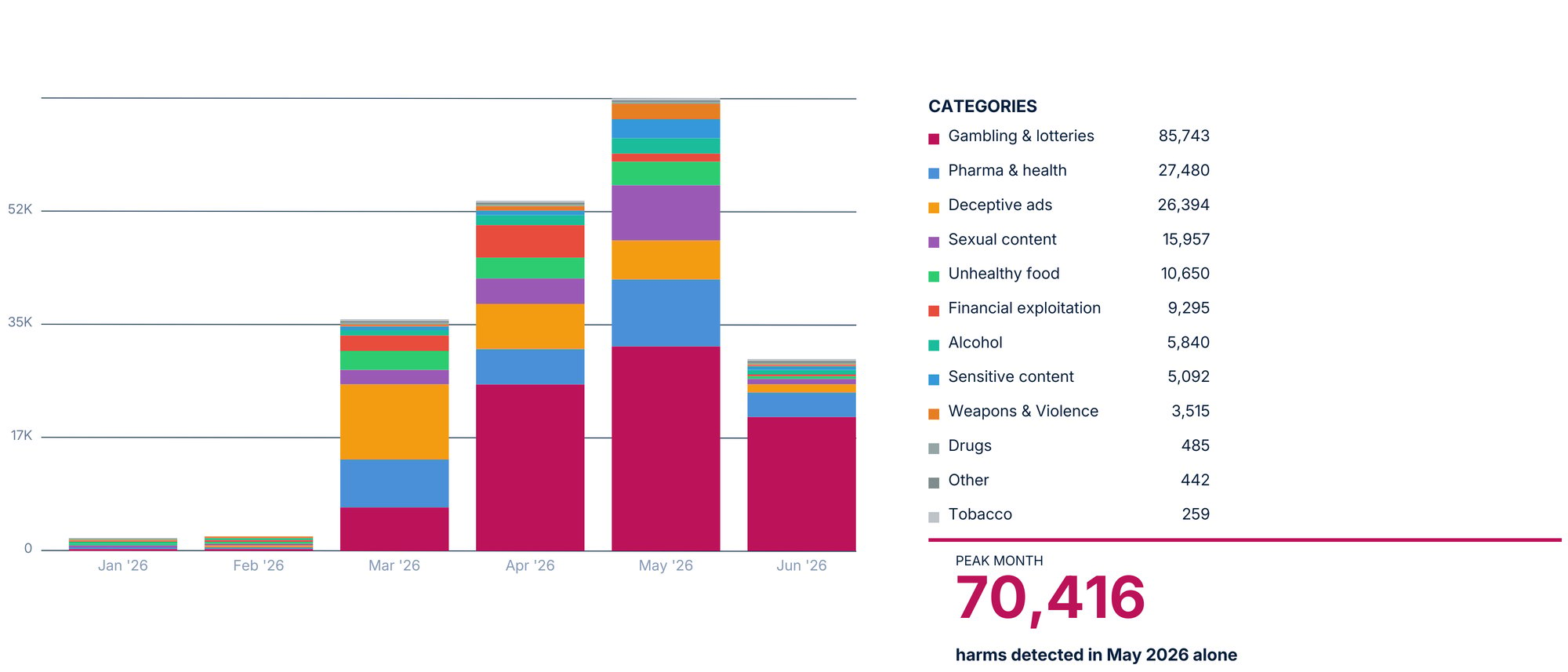
Current Attack Data: Senior Citizens
Top Websites Delivering Malware to Seniors
- Encyclopaedia Britannica (britannica.com
- Fox News Channel (foxnews.com)
- A+E Global Media, History (history.com)
- Lottery Corner (lotterycorner.com)
- Pogo (pogo.com)
- Reader's Digest (rd.com)
- Smithsonian Magazine (smithsonianmag.com)
- Stars and Stripes (stripes.com)
- Taste of Home (tasteofhome.com)
- Reader's Digest, The Healthy (thehealthy.com)
- Total Beauty (totalbeauty.com)
- wiki How (wikihow.com)
State-level Cyberattack Ranking
Virginia ranks among the top ten states for reported cybercrime because it combines many of the characteristics that cybercriminals actively seek. The Commonwealth is home to one of the nation's largest concentrations of federal agencies, defense contractors, technology companies, and financial institutions, particularly in Northern Virginia, where the world's largest data center market supports a vast digital economy. These organizations routinely exchange sensitive information, financial transactions, and government-related communications, making them attractive targets for phishing, ransomware, and credential theft.
At the same time, Virginia's high household incomes and growing senior population create opportunities for financially motivated scams such as investment fraud, cryptocurrency schemes, tech support scams, and government impersonation attacks. Healthcare providers, educational institutions, and local governments further expand the state's digital attack surface. Virginia's mature cybersecurity community also contributes to more incidents being identified and reported than in many other states.